

强调#

这次咱们来说英语中的强调,所谓强调 ,其实是一个比较笼统的概念,说白了,强调就是用某种方法突出一句话中包含的多个信息中的某一个信息。英语兔接下来带你一起讨论的实际上是涵盖面较广的英语中的强调表达,而并不是某一特定的句式。

咱们先来看一个非强调的祖传例句 Rabbits like carrots. 兔子喜欢胡萝卜。这句话虽然简单,但却是完整的主谓宾结构,包含了三个重要信息,动作的发出者、动作本身、动作的承受者。
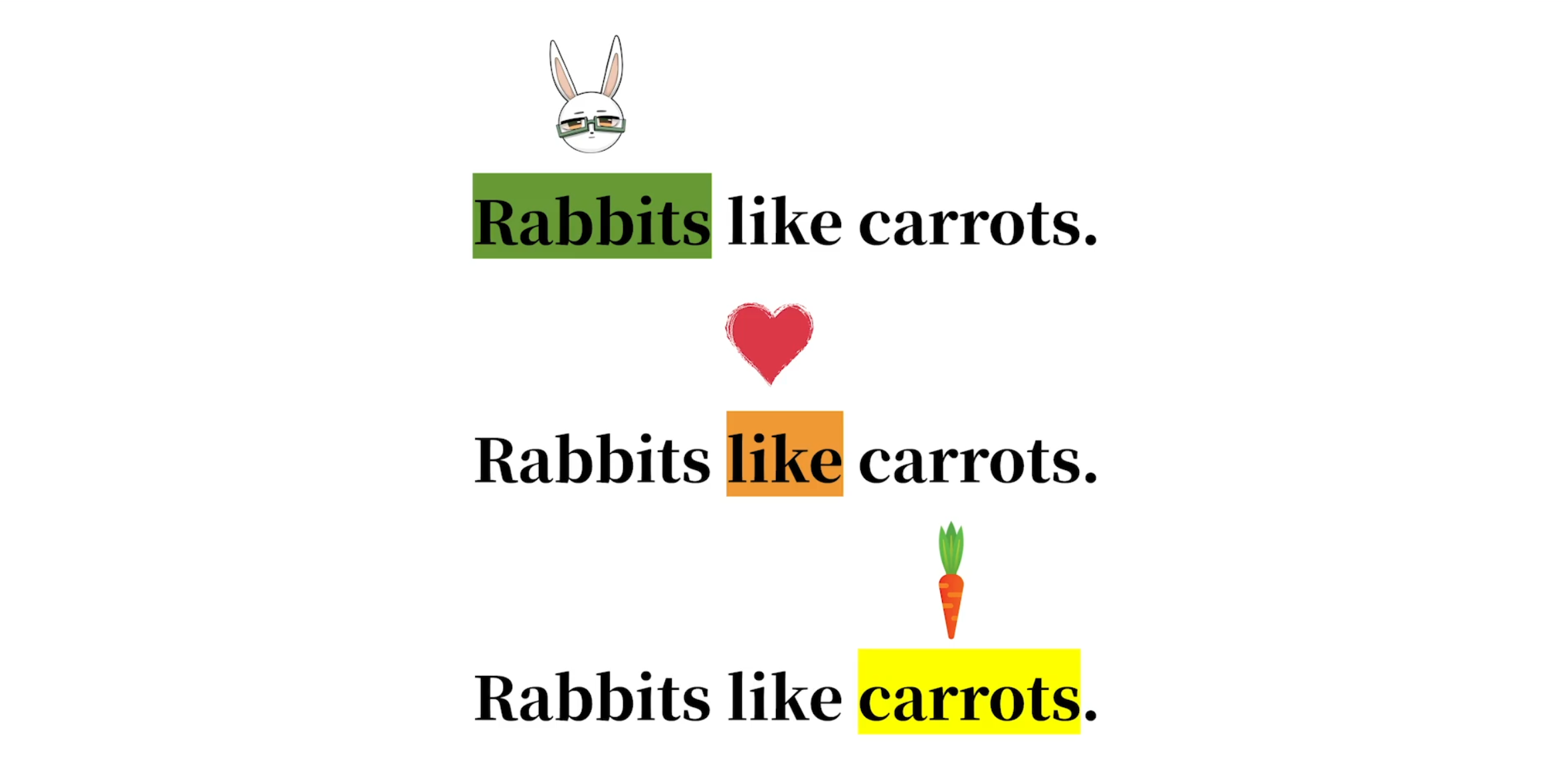
那么咱们怎么强调这个句子中的某个信息。有很多种方法,最简单的强调方式是什么。其实就是把需要强调的内容着重说出来。 Rabbits(重读) like carrots. 这样说的意思就是兔子,而不是大灰狼喜欢胡萝卜。 Rabbits like(重读) carrots. 这样说的意思就是兔子喜欢,而不是讨厌胡萝卜。 Rabbits like carrots(重读). 这样说的意思就是兔子喜欢胡萝卜,而不是青菜。这也是最简单的口语中的强调。
又或者咱们还可以直接用语气词来强调
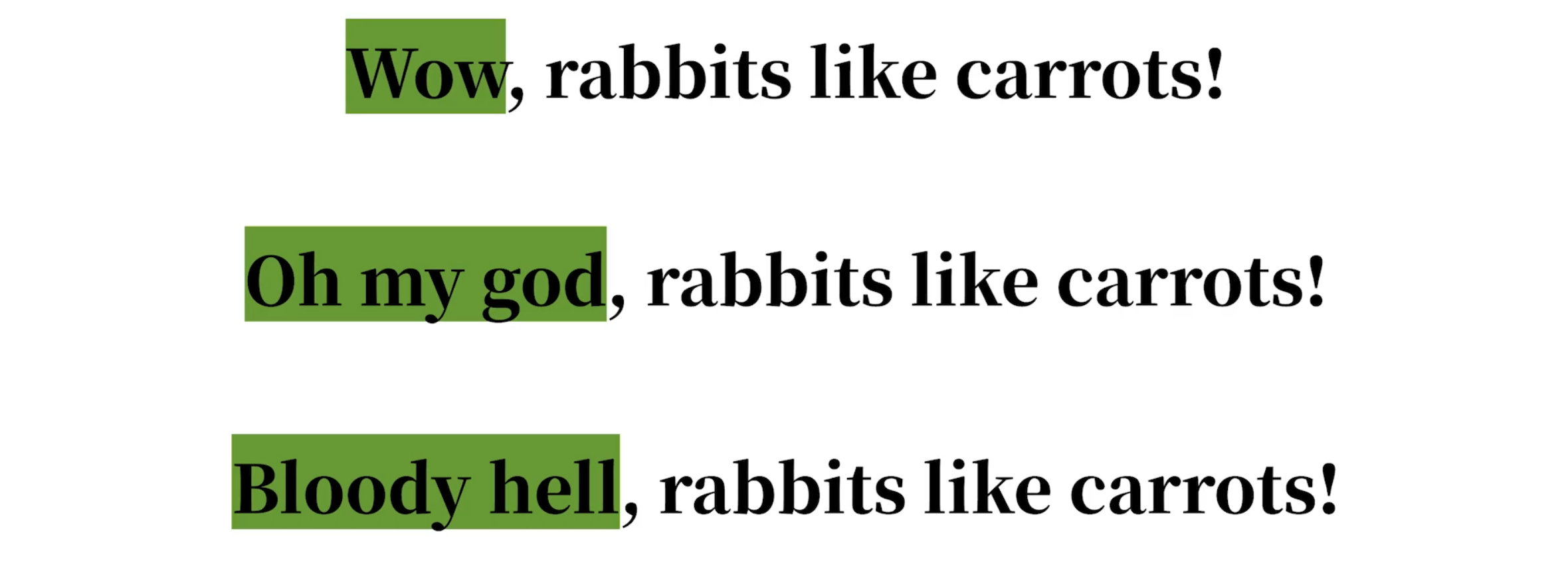
Wow,rabbits like carrots.
Oh my god,rabbits like carrots!
Bloody hell,Rabbits like carrots.
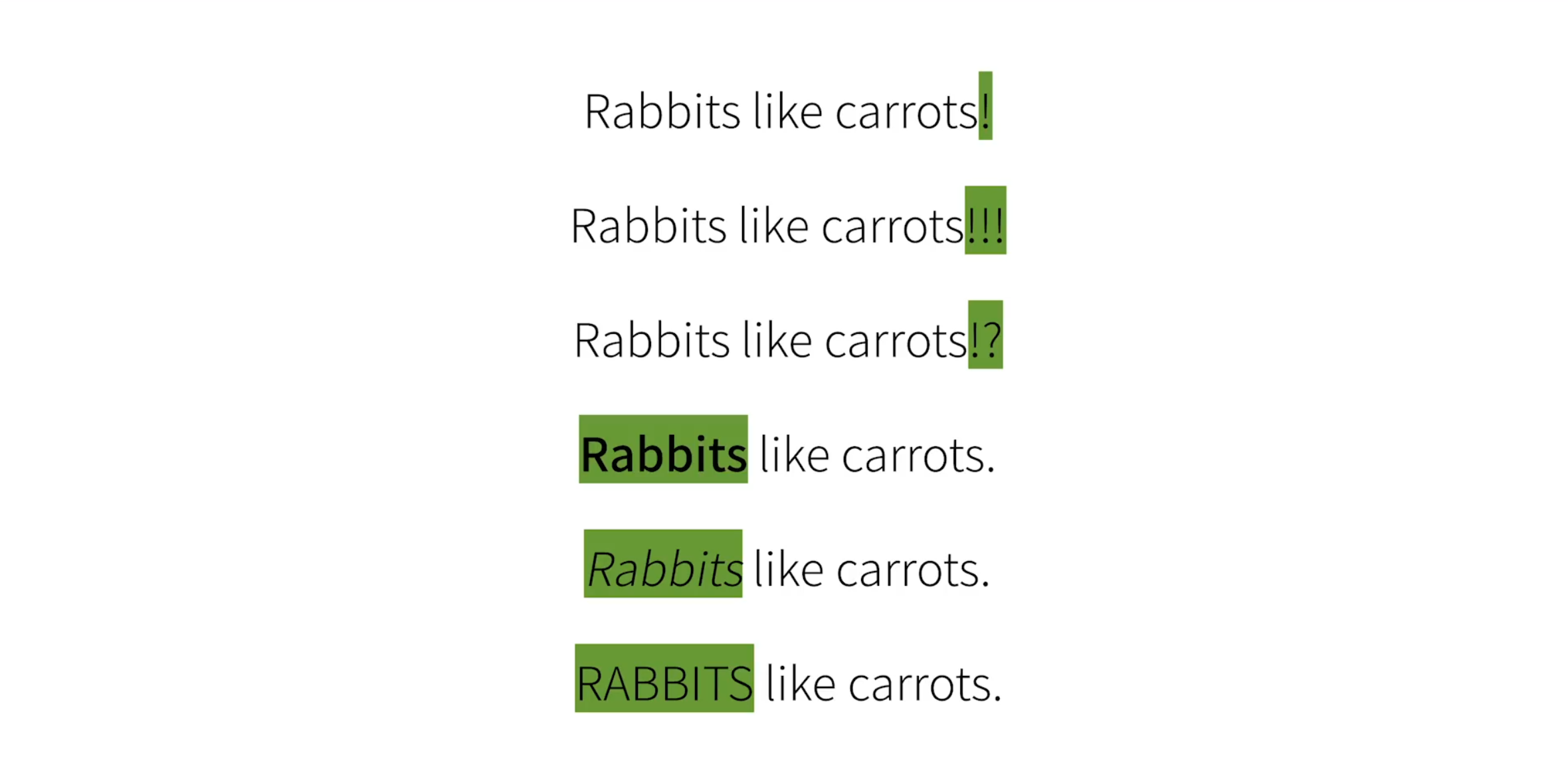
这些感叹词也起了强调作用,不过如果咱们不说话,无法通过声音传递以上信息,又怎么做强调呢。最简单的方法就是标点符号、粗体、斜体、大小写嘛。请看,这些都是不同的强调格式,到此为止,咱们说的都是特容易理解的。广义的强调,即不增添句子信息,不改变句子结构来做强调。
接下来咱们看词汇强调,这也是咱们平时最常见的强调方式,比如
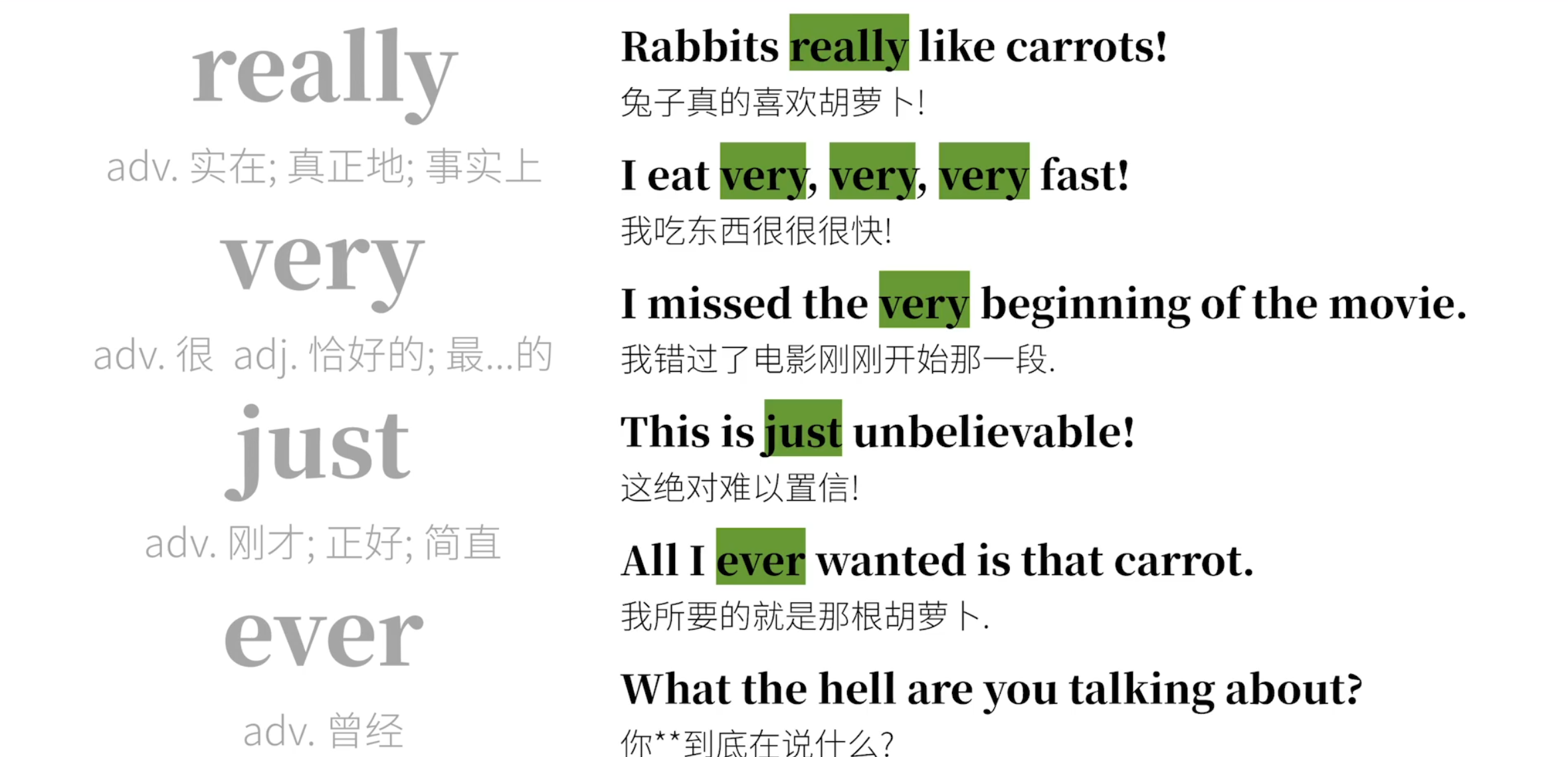
Rabbits really like carrots. 兔子真的喜欢,胡萝卜真的喜欢不是假的,我不骗你。这里用附+词 really 强调,谓语动词 like 类似的表示强调的词还有 Very just ever 等。
I eat very fast. 我吃东西很快,这里用 very 强调副词 fast 。如果你觉得 very fast 还不能体现快,那你还可以多强调几次 I eat very,very,very fast 其实 very 这个词不仅仅能强调副词,它还能强调名词,如
I missed the very beginning of the movie. 我错过了电影刚刚开始那一段。
This is just unbelievable! 这绝对难以置信。 这里用 just 强调形容词 unbelievable
All I ever wanted is that carrot. 我所要的就是那根胡萝卜。 这里用 ever 强调动词wanted。
What in the world/on earth are you talking about? 你到底在说什么?这里用了一个词组 in the world 或 on earth 来强调代词what。这个 in the world 或 on earth 只是起强调作用,不要字面翻译为,在这个世界上,如果语气再重一点,可以把 in the world 变成 the hell,
What the hell are you talking about? 你到底在说什么?
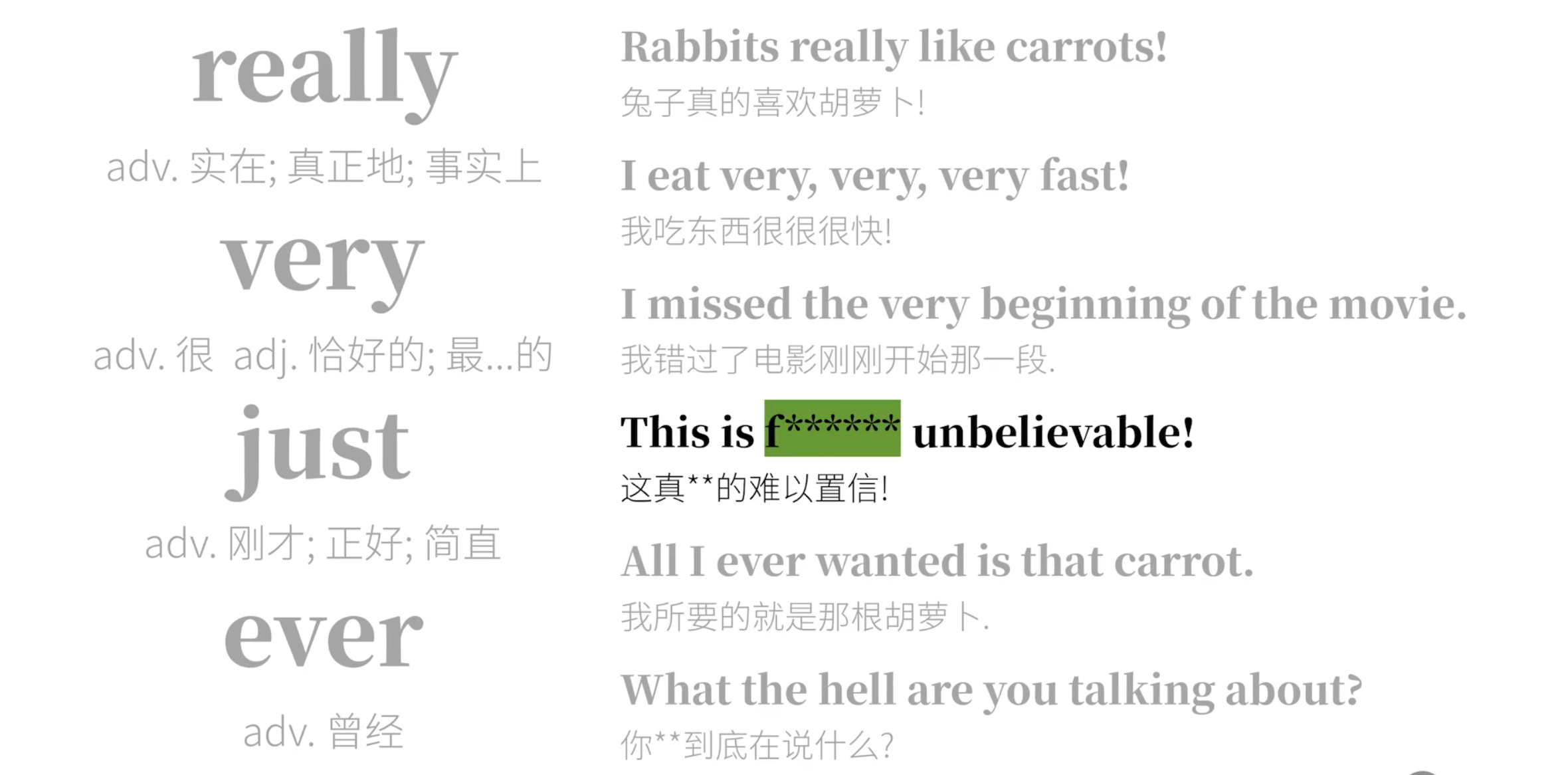
如果再进一步 hell. 也可以用某个 f 开头的词代替。当然之前提到的词也可以用它代替,如 This is 这真难以置信这个词如此灵活,以至于咱们还能说 This is unbelievable,yeah lootely 好了,不能再展开讲,否则过不了审了。
还有,这个词平时最好不要用哦,英语兔我这里教给你,只是为了你平时听到,不至于反应不过来。
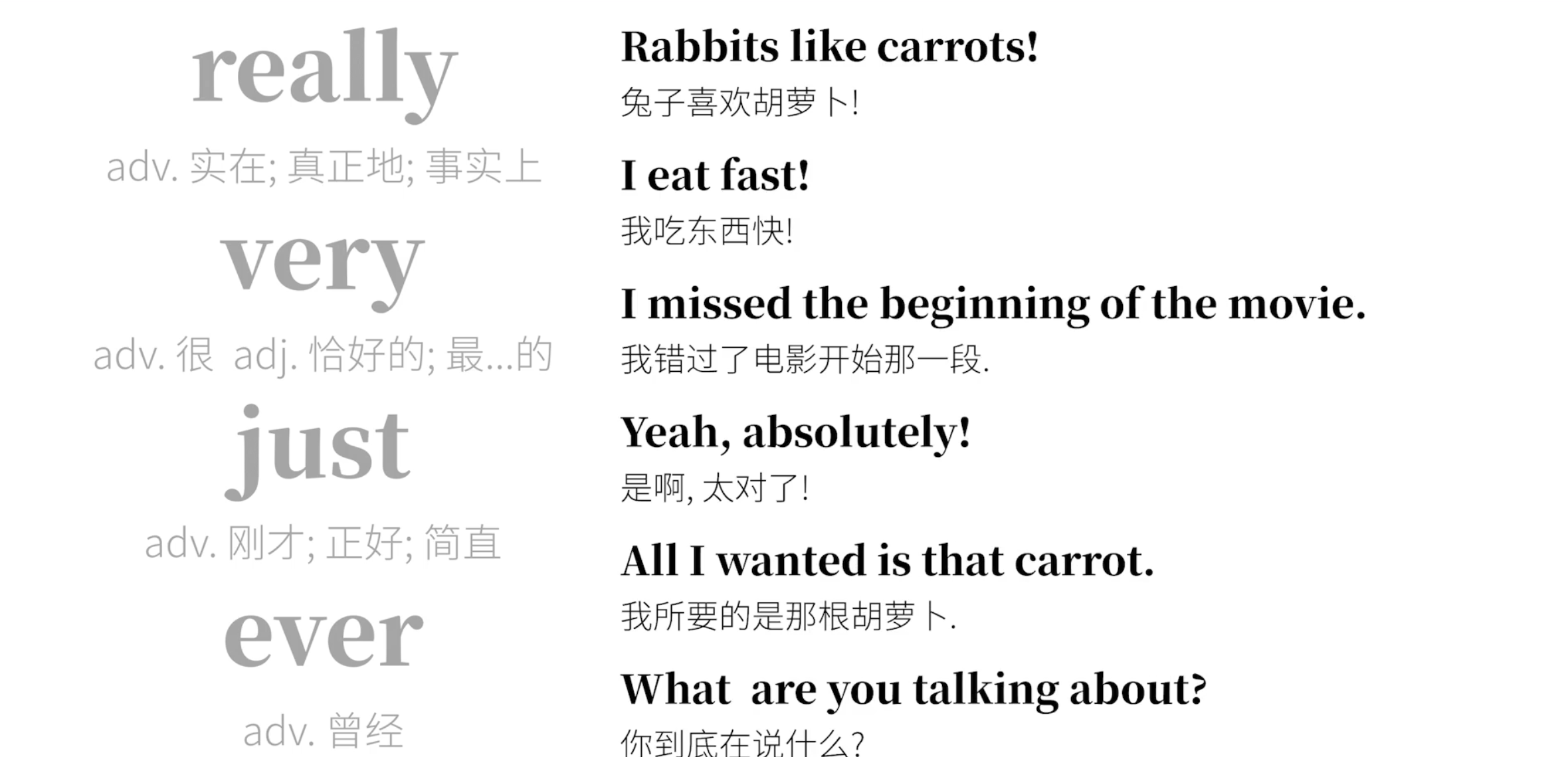
其实以上这些词从句子里去除也并不影响句子含义,只不过没有那么强调了对不对。
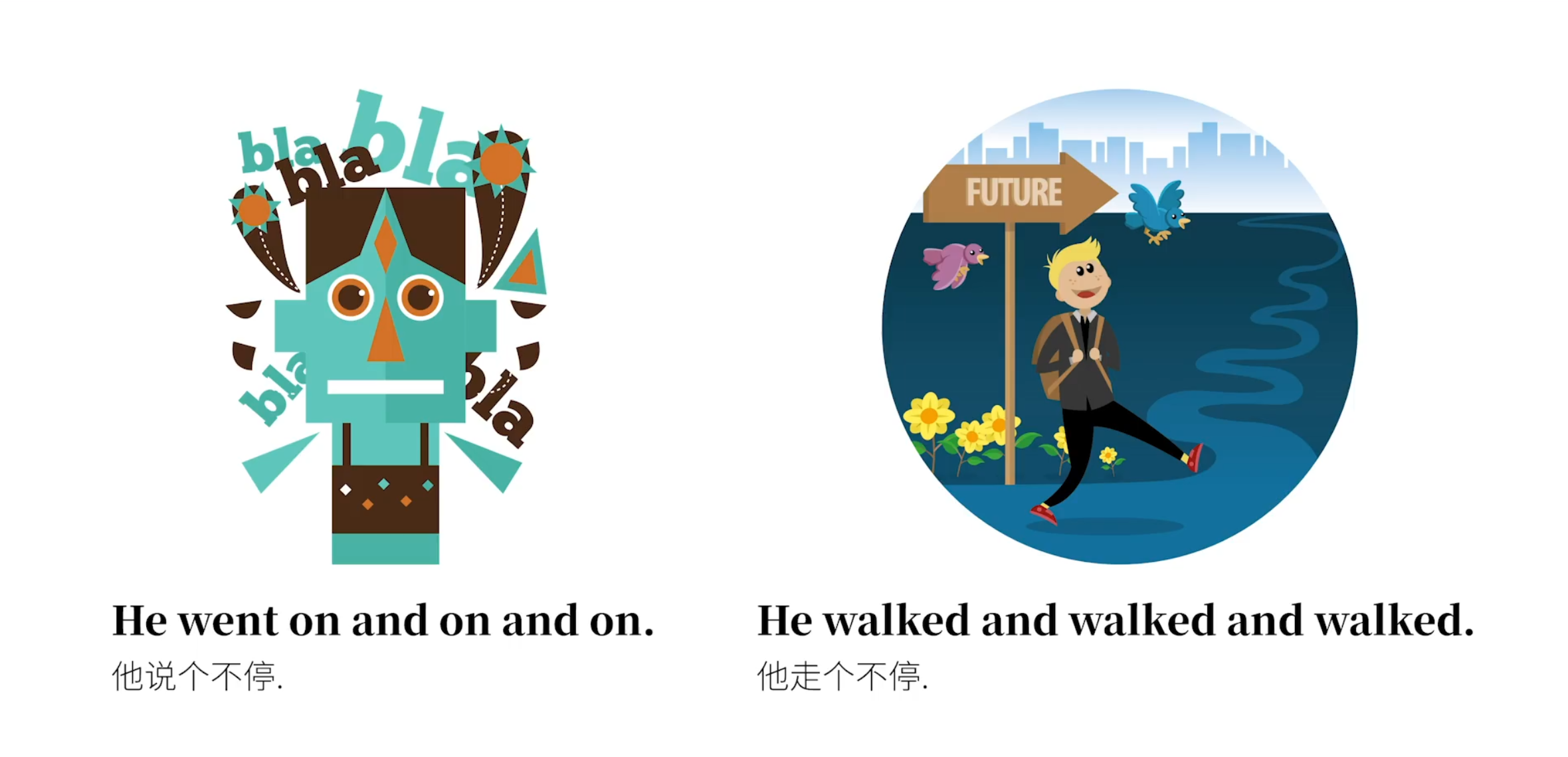
咱们有时候还能重复某个词作强调,比如 He went on and on and on. 他说个不停。He walked and walked and walked. 他走个不停。这个很好理解,就不多说了。
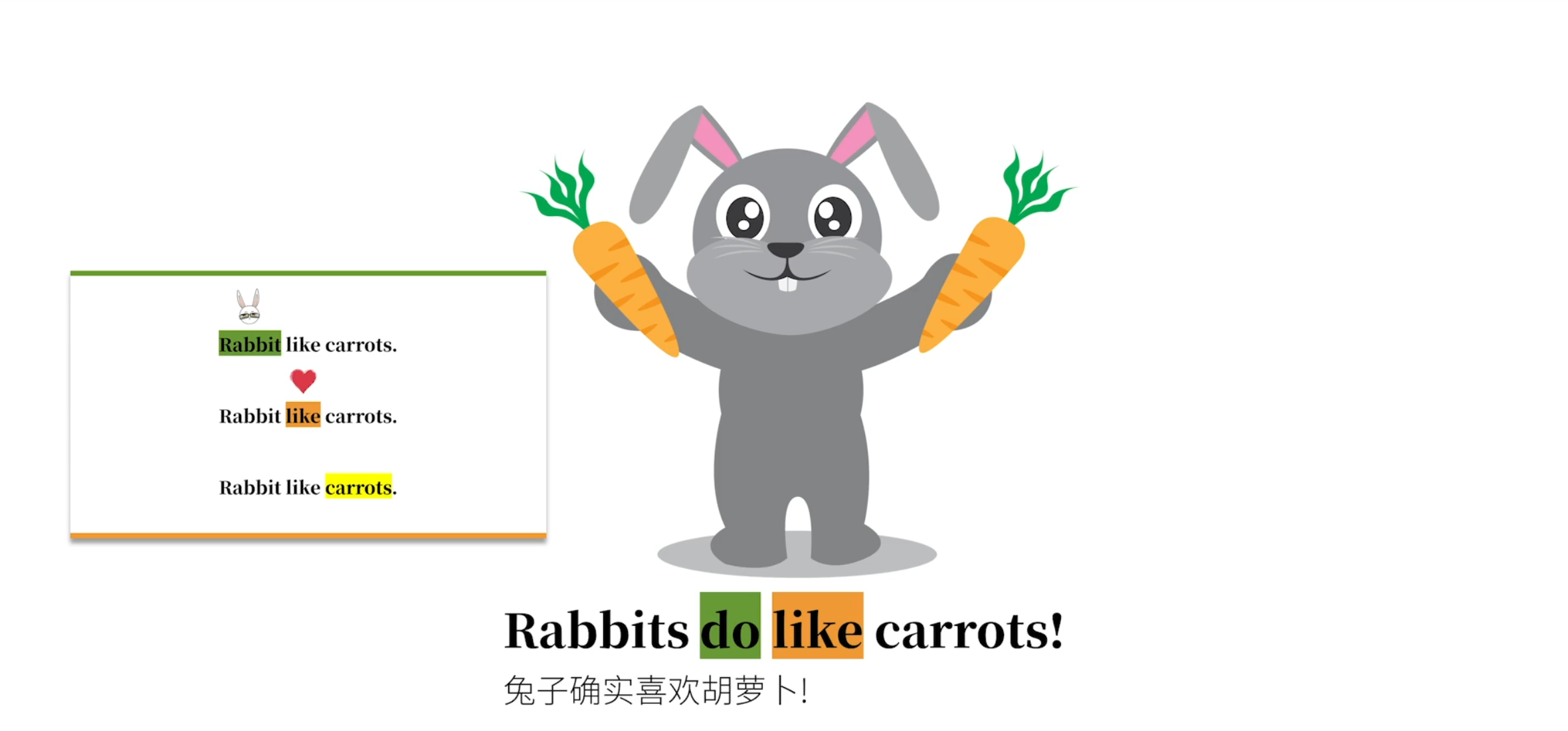
如果咱们要强调句中的谓语动词,而谓语动词往往也是句子的核心,那么咱们可以在肯定句里也使用助动词 do/does. 比如 Rabbits do like carrots. 兔子确实喜欢胡萝卜,你看这里虽然不是否定句,但是额外的 do 就是为了强调谓语动词 like 。这样强调,即使你不着重说 like. 或者在书面形式缺失语气的情况下,或者你不想用 really 这样的额外信息,你还是能表达强调的意味。
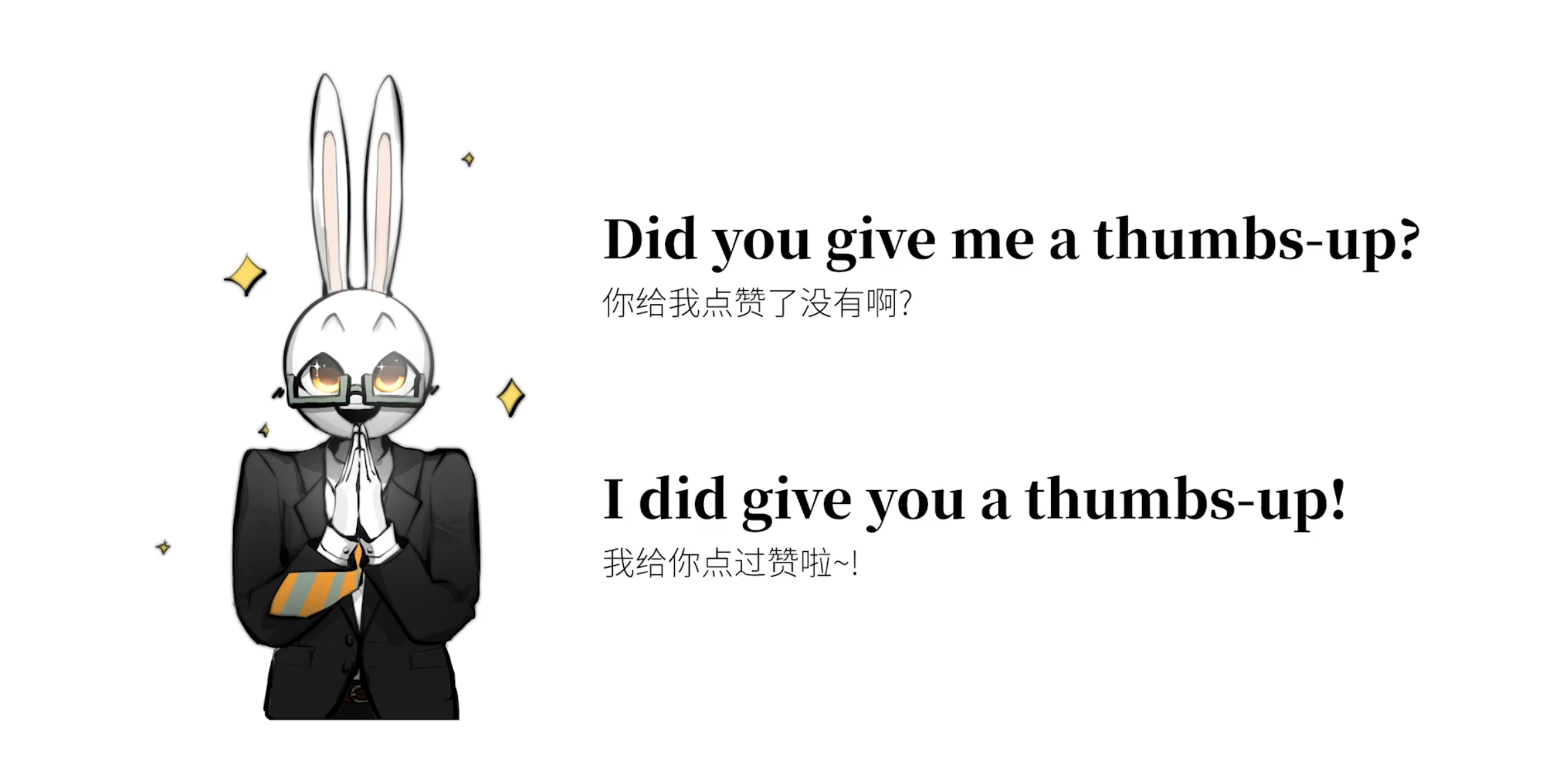
再比如,我问你,你给我点赞了没有。Did you give me a thumbs up? 那你要强调确实给我点赞了,就可以说 I did give you a thumbs-up!
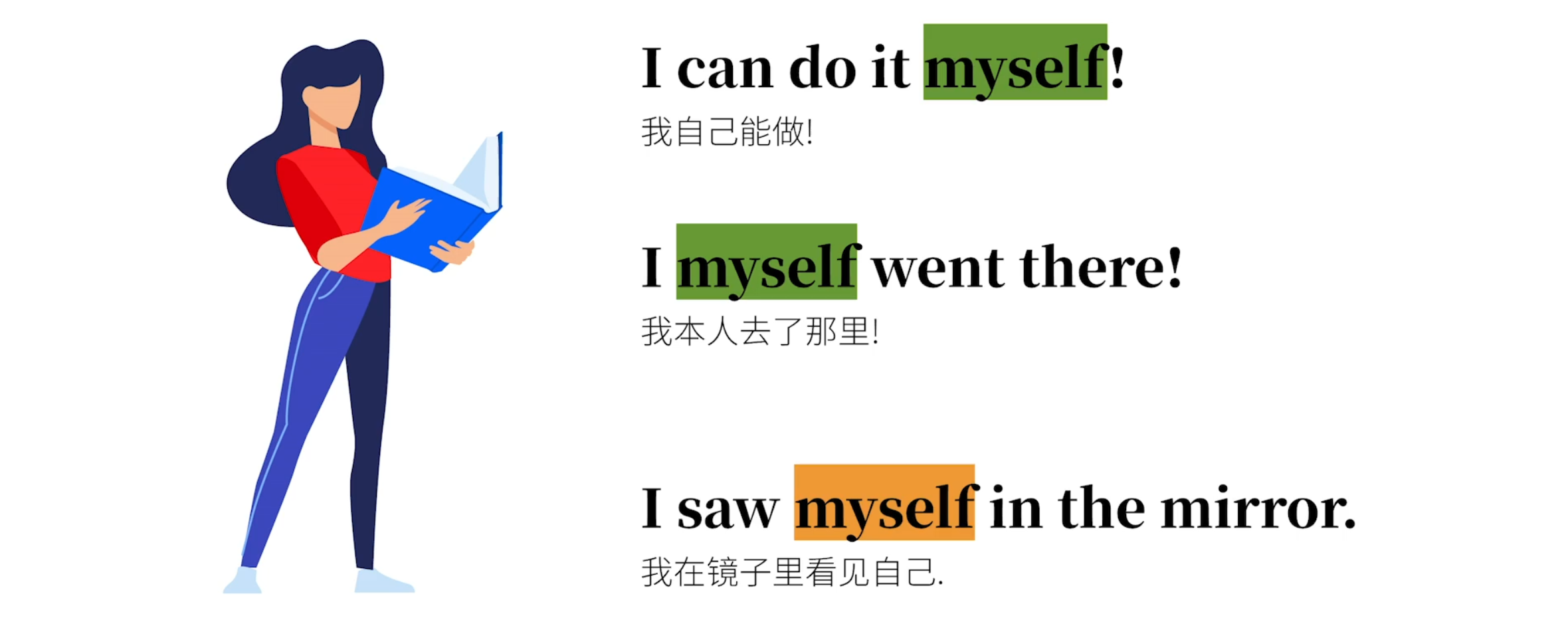
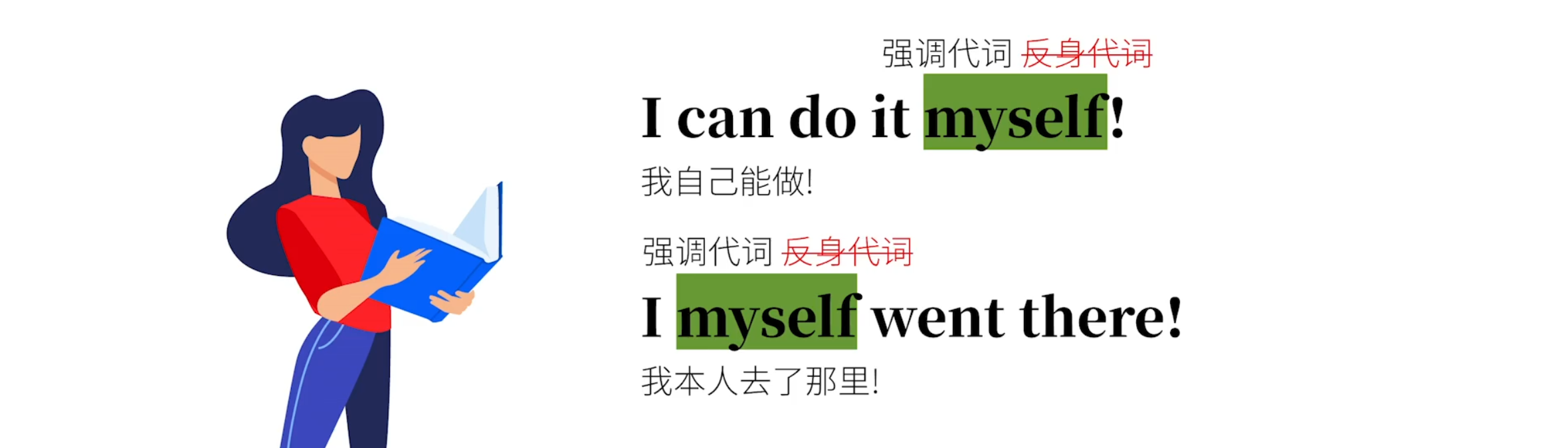
你懂的。咱们再来看这两句话 I can do it myself. 我自己能做。 I myself went there! 我本人去了那里。以上两个 myself 其实和以下这句中的 myself 是有些不同的 I saw myself in the mirror. 我在镜子里看见自己。前两句中的 myself. 主要目的是强调,从句中去除,也不影响句意,但是第三句就不一样。因此有的语法体系也把这样的 myself 归类为代词中的强调代词,而不是算作反身代词。

如果咱们想强调正常语序中出现的某个信息,那么往往可以把它提前,而这样的句子往往就称了倒装句,比如 I did not eat a single carrot yesterday. 变成 Not a single carrot did i eat yesterday. 我昨天没有吃胡萝卜。

I have never met a wolf. 变成 Never have i met a wolf. 我从没遇见过狼。

You go off! 变成 Off you go! 你去吧

The wolf comes (here)! 变成 Here comes the wolf! 狼来了。
如果你想更深入了解倒装句,请见英语兔倒装视频感叹句其实本来就自带强调功能,
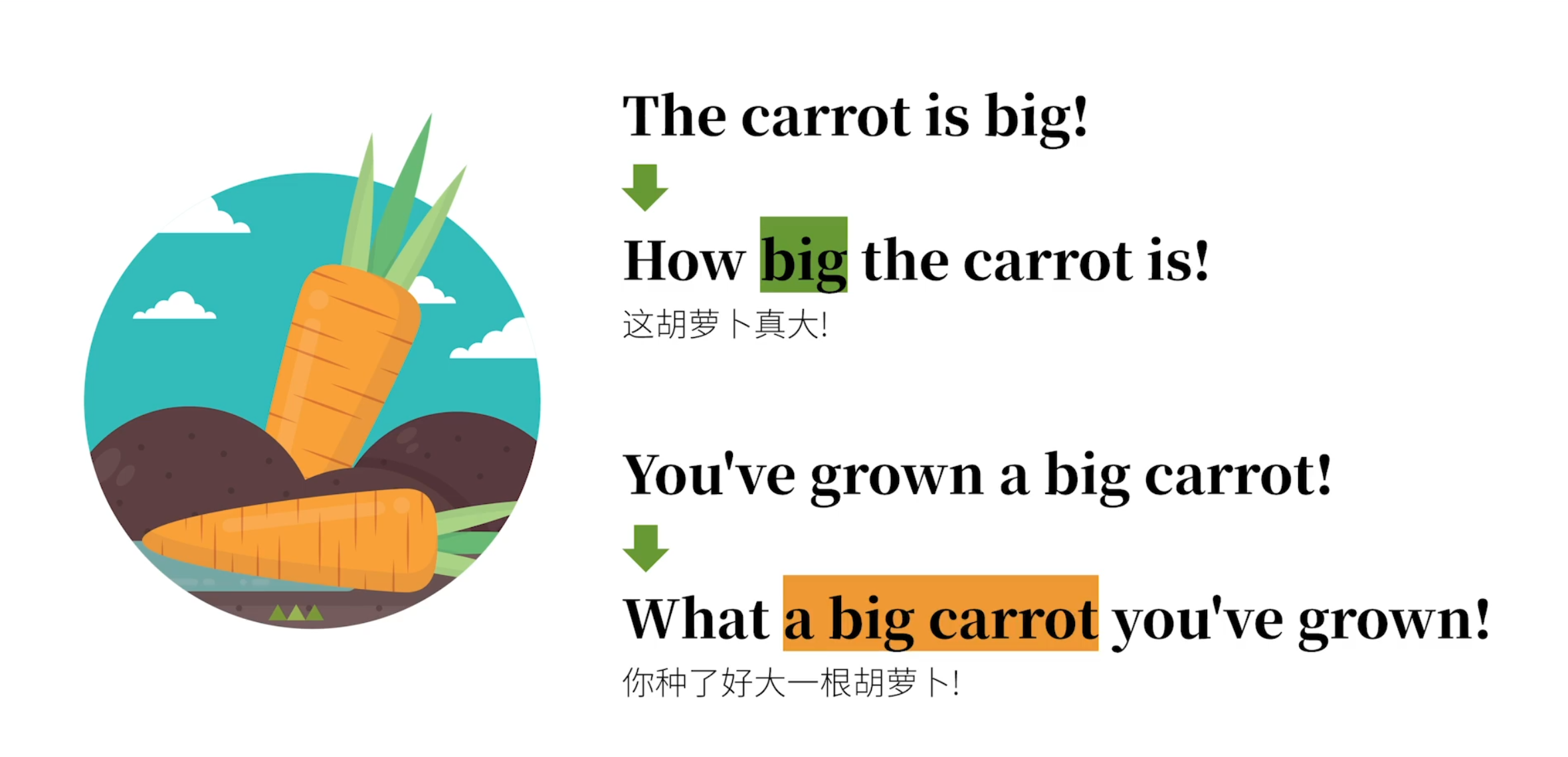
如 The carrot is big. 变成 How big the carrot is! 这胡萝卜真大,这里是强调形容词 big
You've grown a big carrot! 变成 What a big carrot you've grown! 你种了好大一根胡萝卜。 这里是强调整个宾语 A big carrot
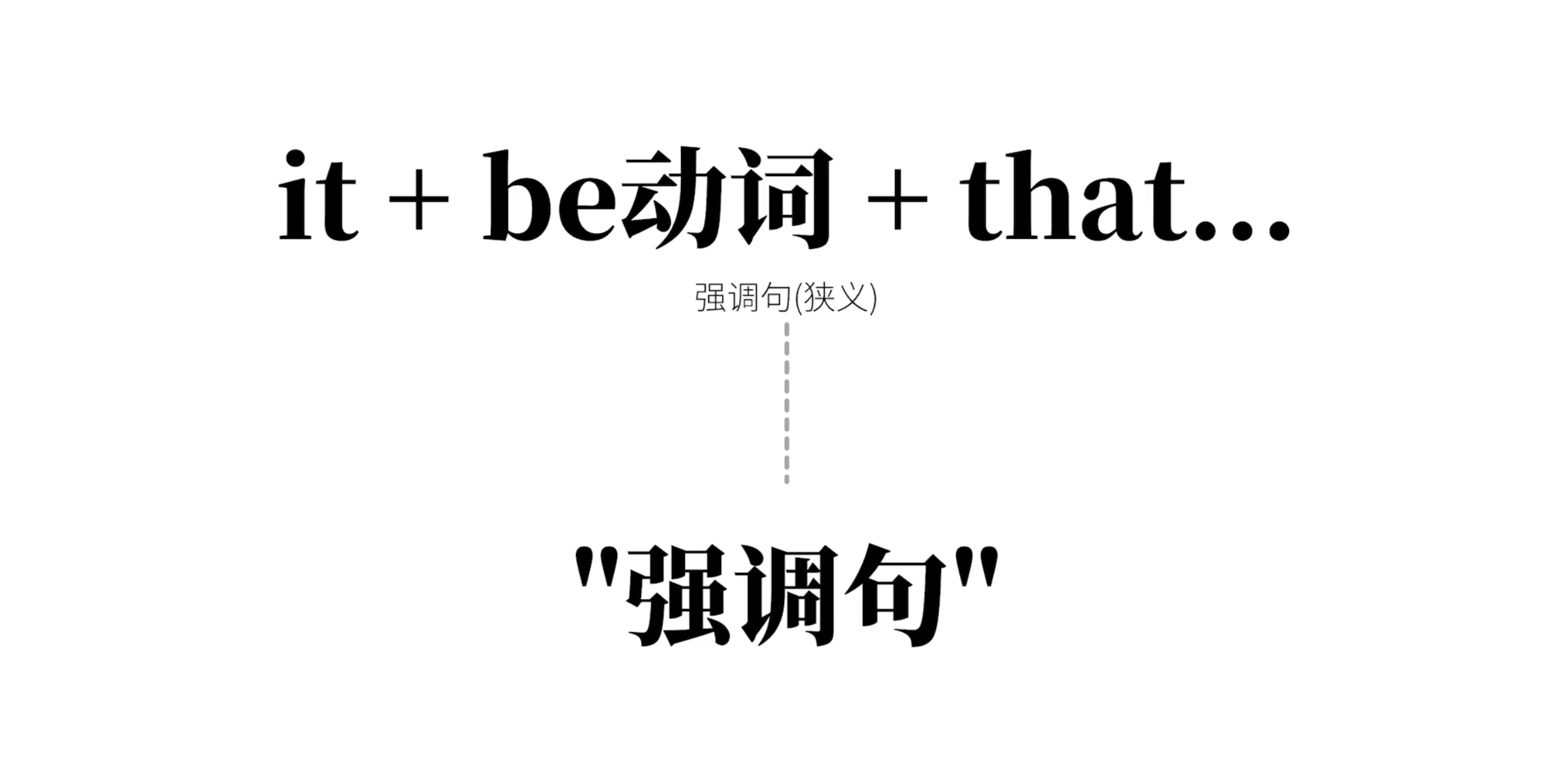
接下来咱们说一个非常重要的强调句式,请注意,英语兔,我把这个句式算作英语中众多强调方法中的一种。不过因为这个句式是如此重要,以至于很多人一想到强调句就会自动想到这个句式,甚至有人会把这个句式理解为狭义的强调句。咱们还是先看个例句
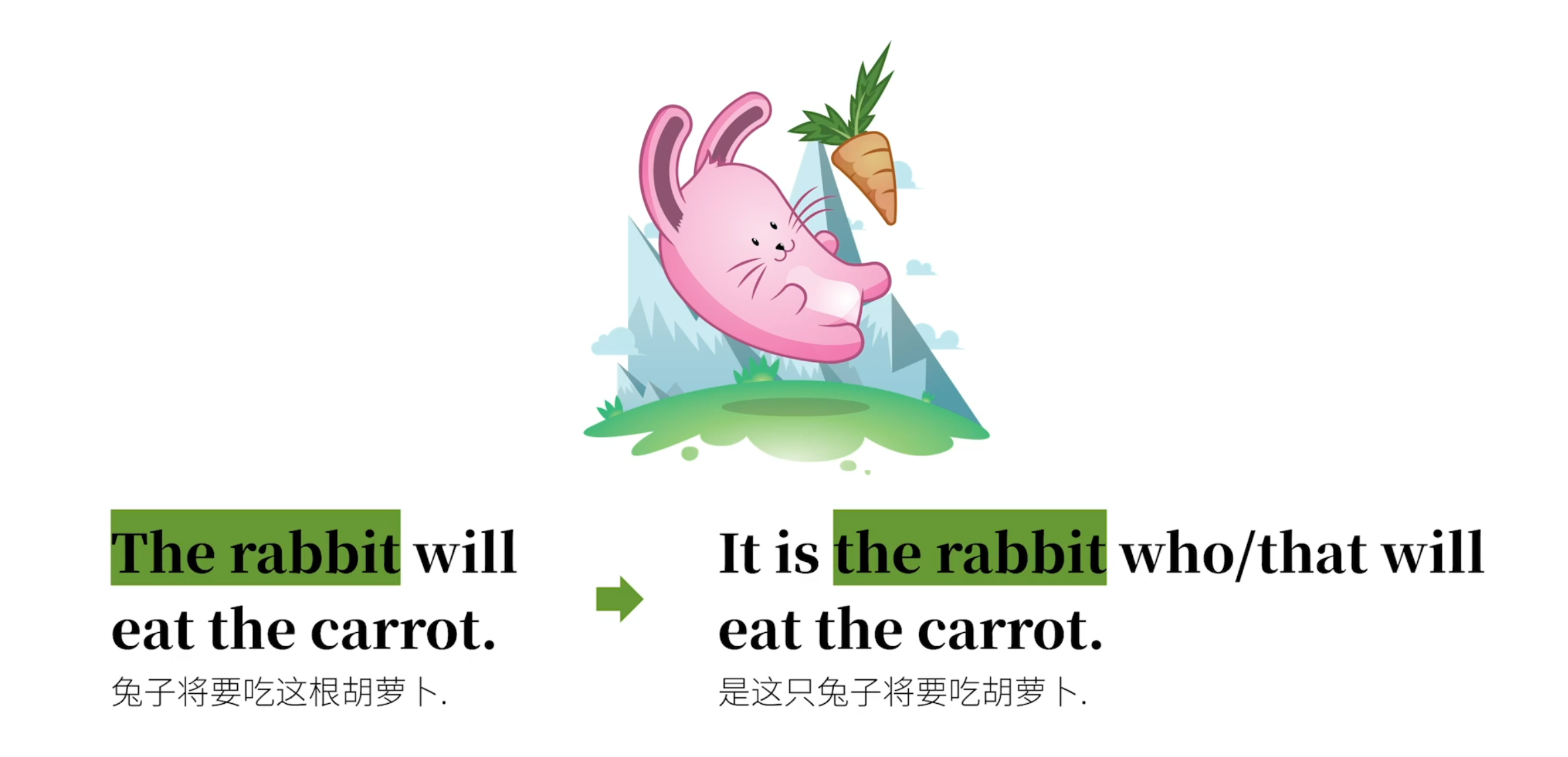
The rabbit will eat the carrot. 兔子将要吃这根胡萝卜。 如果要强调 The rabbit. 咱们就可以说
It is the rabbit who/that will eat the carrot. 是这只兔子将要吃胡萝卜。
你看出这里的名堂了吗。首先很明显的,这里有个定语从句 who/that will eat the carrot 修饰 the rabbit 既然是从句引导词的选择,咱们已经知道默认用 that 引导,而如果指人,还可以用 Who
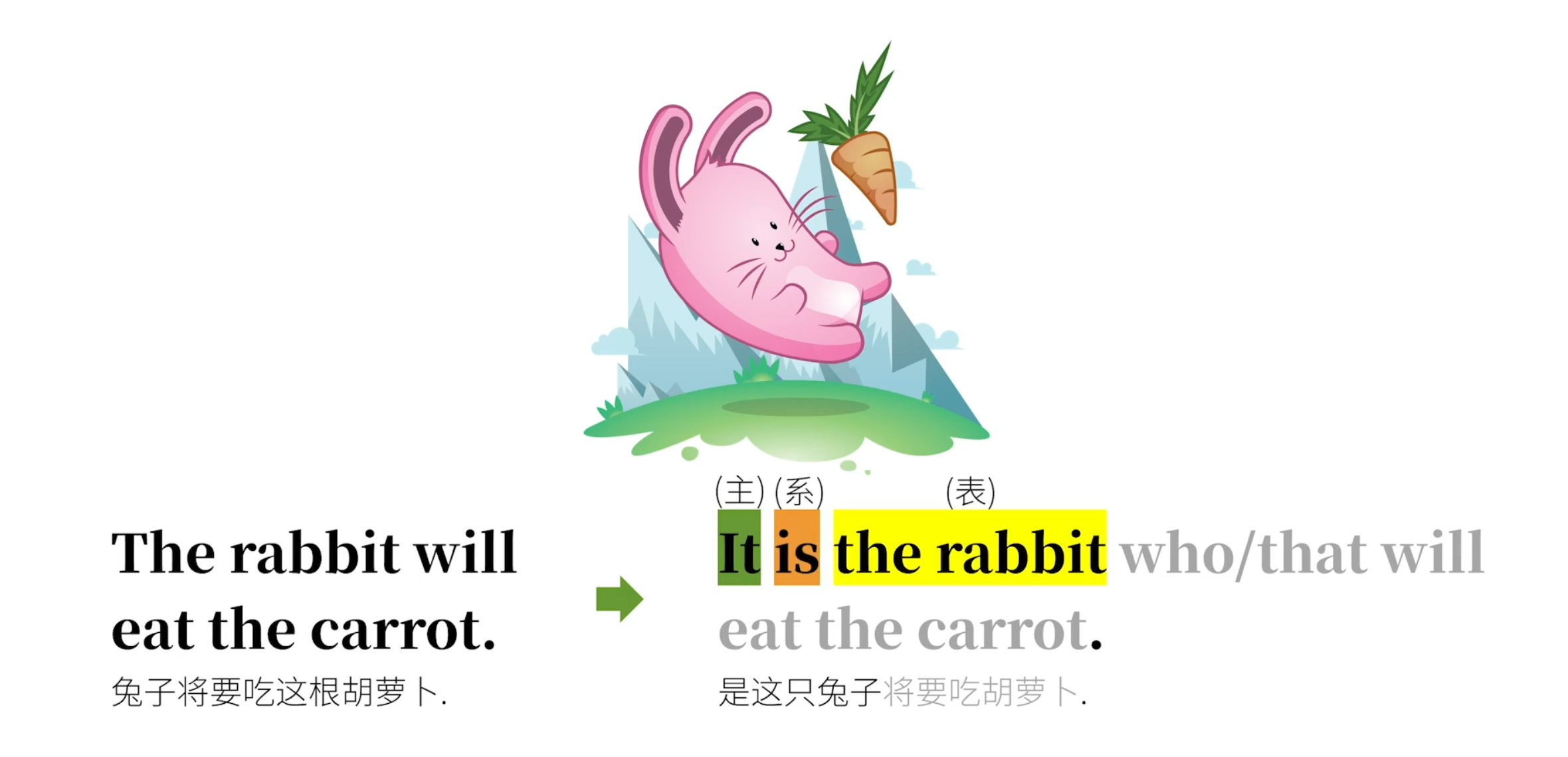
当然,咱们英语兔也是有人权的,而主句其实就是主系表结构 It is the rabbit. 这样看来似乎有点绕,但这个句式的好处就是可以强调句子中的各种成分。
咱们再来看一个例子
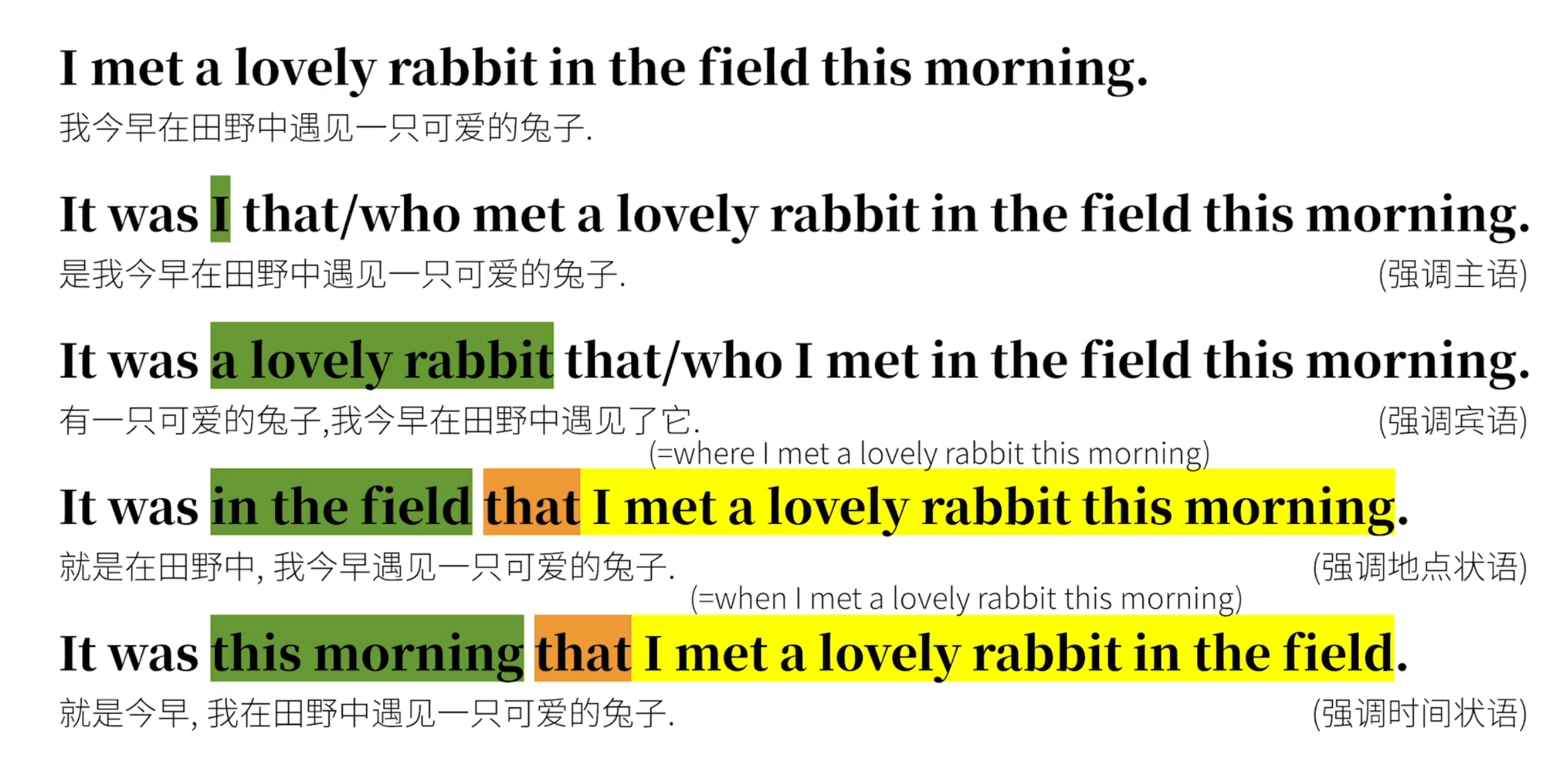
I met a lovely rabbit in the field this morning. 我今早在田野中遇到一只可爱的兔子。
如果强调主语
It was i that/who met a lovely rabbit in the field this morning.
如果强调宾语 A lovely rabbit
It was a lovely rabbit that i met in the field this morning.
如果强调状语 In the field.
It was in the field that i met a lovely rabbit this morning. 这里的 that 引导的从句 that i met a lovely rabbit this morning 相当于 Where i met a lovely rabbit this morning 可以理解为地点状语从句。
如果强调时间状语 This morning
It was this morning that i met a lovely rabbit in the field. 这里的 that 引导的从句 that i met a lovely rabbit in the field. 相当于 When i met a lovely rabbit in the field. 可以理解为时间状语从句。
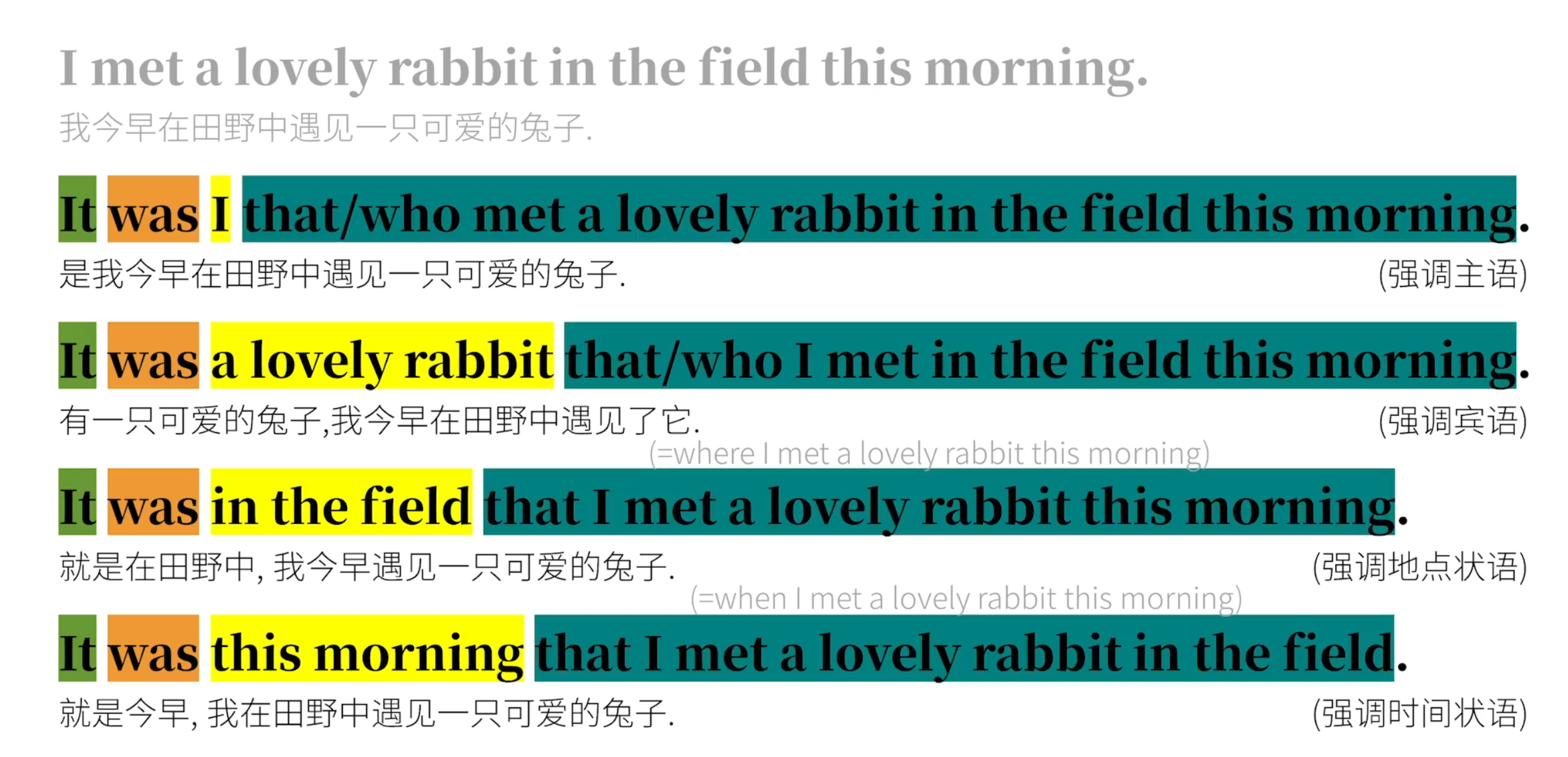
看到没有,其实这个句式的精髓就是不管你想要强调什么,一到开头去用 it + be. 动词要相应变位,再+强调的信息,然后再用一个 that 引导的从句补全剩余信息。
要说一下,最后两个强调句中 that 引导的部分的归类是有争议的,有的语法体系不认为这些属于状语从句,所以特别指出一下,不过英语兔我个人觉得咱们至少可以用状语从句的思路去辅助理解。
另外你可能又要问了,那能不能强调动词 met 和形容词 lovely 呢。还记得咱们之前说过通过词汇强调吗。
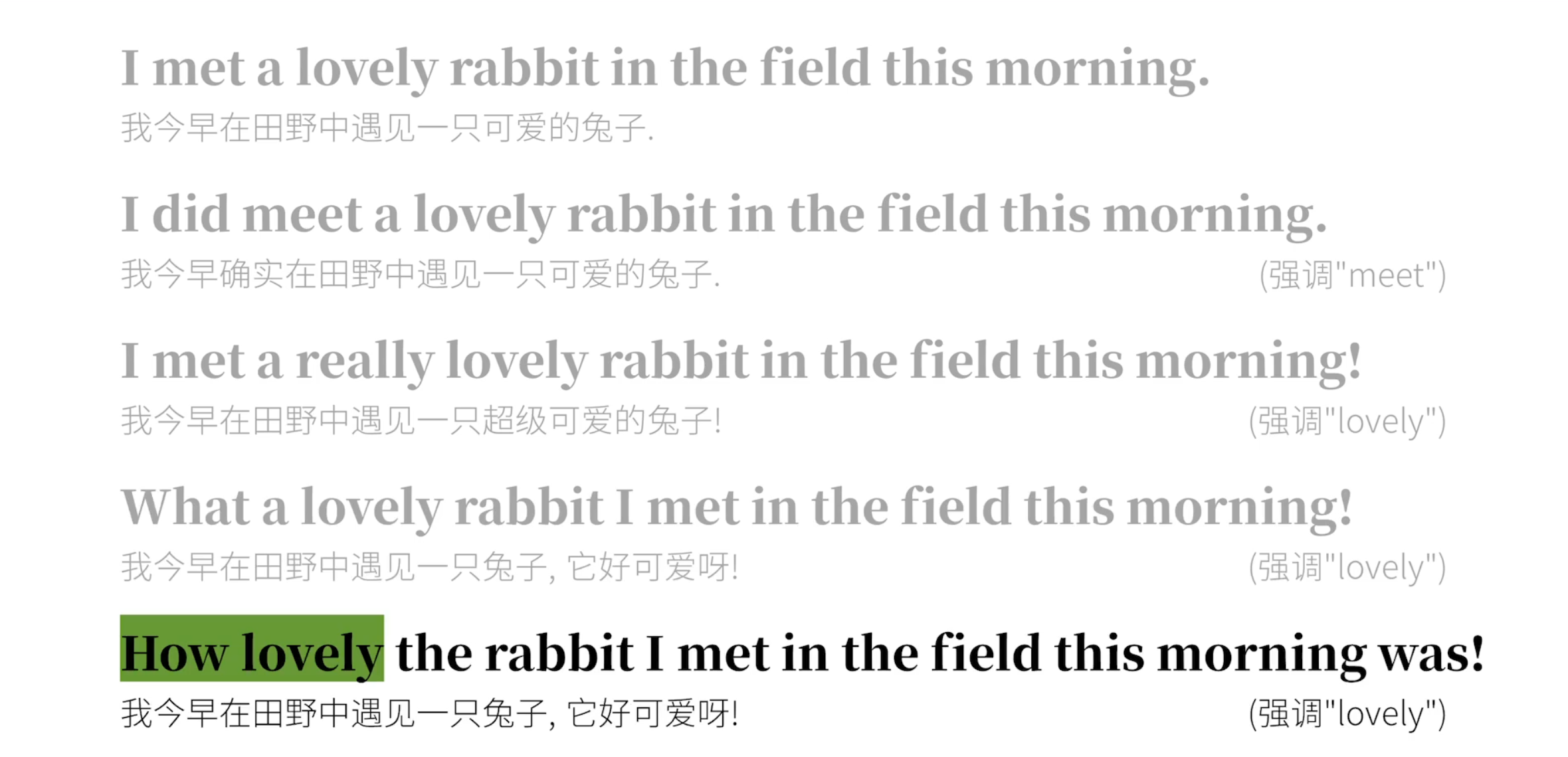
强调 meet
I did meet a lovely rabbit in the field this morning.
强调 lovely.
I met a really lovely rabbit in the field this morning!
What a lovely rabbit i met in the field this morning!
How lovely the rabbit i met in the field this morning was!
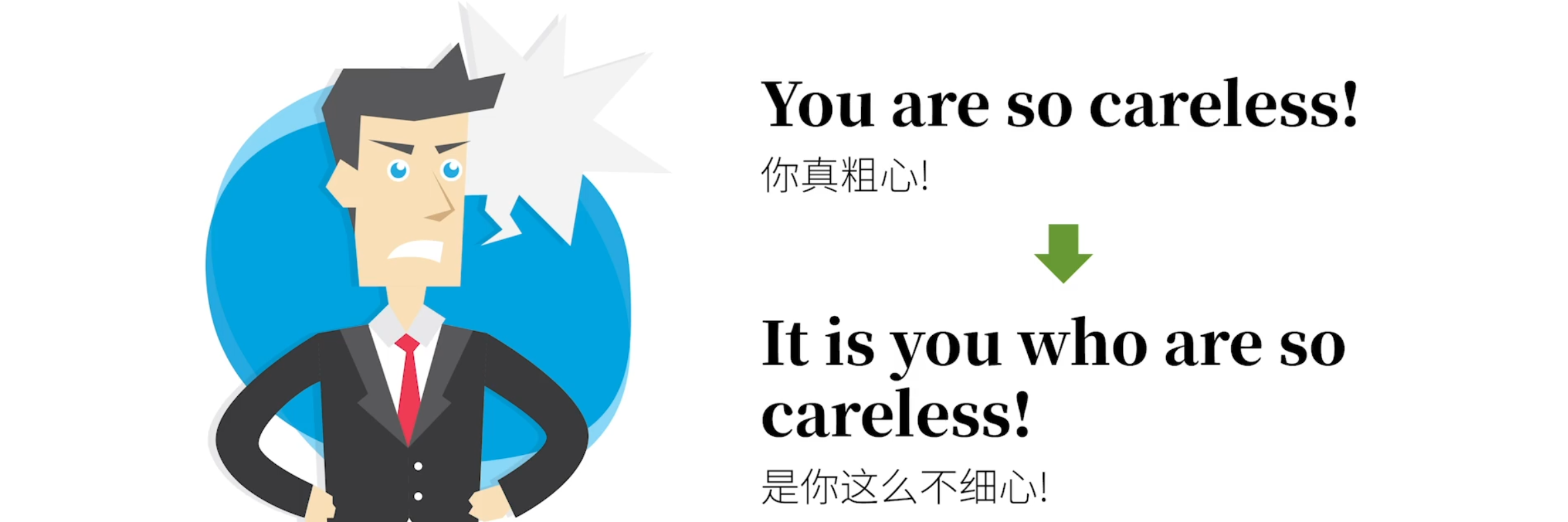
那英语兔我现在考考你 You are so careless. 你真粗心。 这本来可以说就是个强调句,强调了 careless. 但是如果要特别强调开头的你,而因为书面原因或不能通过语气强调,也就是假设我们不能说 You are so careless. 怎么办。那我们可以说 It is you who are so careless. 是你这么不细心,你答对了吗。



不知道你有没有发现,其实如果去掉 It is 或者 was 和 that 或 who 之后,剩余的部分还是可以形成原句。比如还是这个例句 It was i that/who met a lovely rabbit in the field this morning. 去掉 It was/that 后,剩下部分是不是可以直接组成 I met a lovely rabbit in the field,this morning. 是不是很神奇。其实这也是判断这个强调句式的小窍门。
好,以上就是英语强调句的基础知识,其他的诸如对强调句提问等概念这里就不展开说了,咱们快速总结一下。这次讲了 4 种英语中的常见的强调表达。
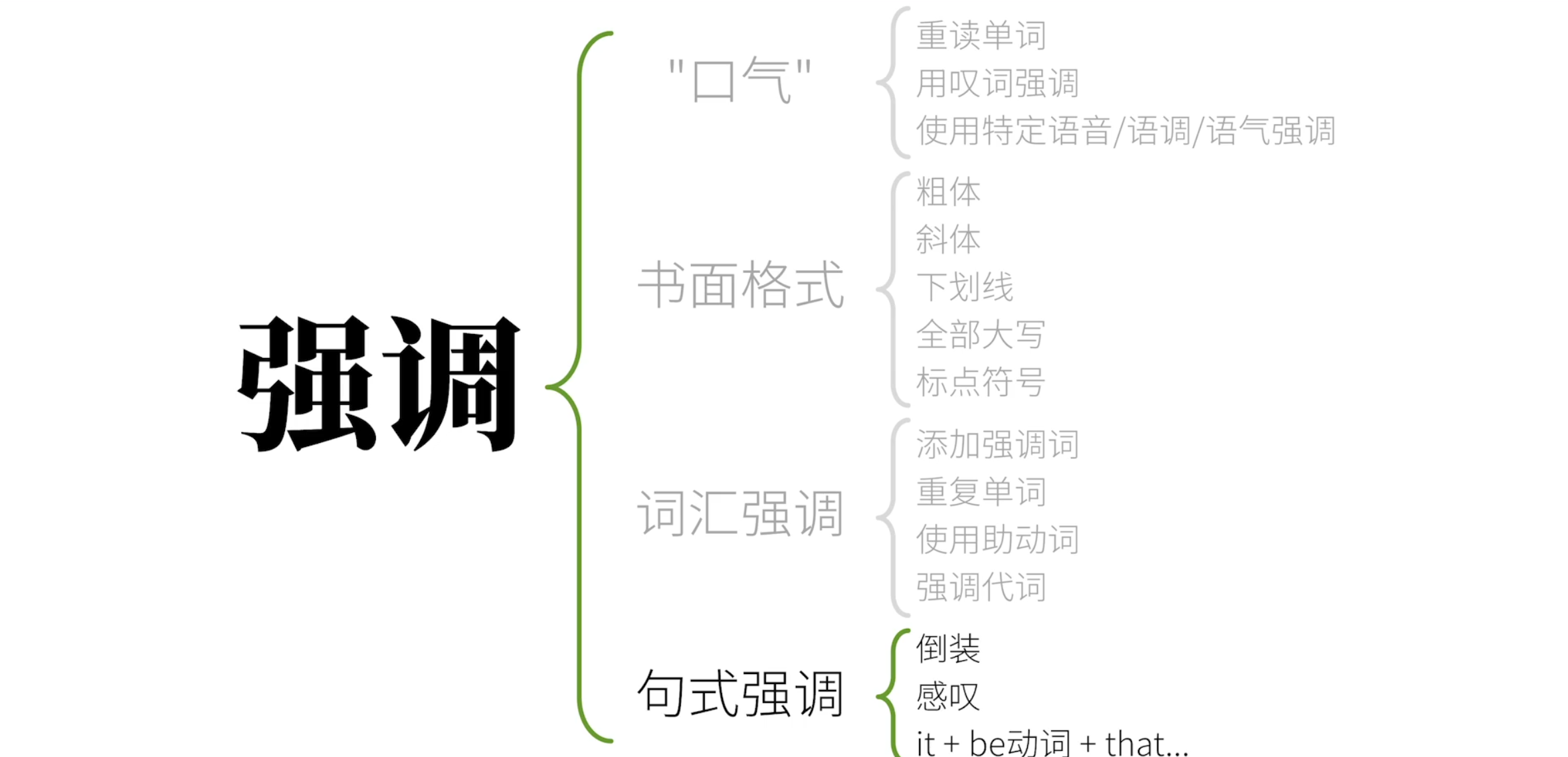
口气,包括重读某个词,用叹词强调或使用某种语音语调语气。
书面格式,包括粗体斜体下划线全部大写各种标点等。
词汇强调,包括增添强调词,重复某个词,使用助动词强调代词。
句式强调,包括倒装感叹 it + be. 动词 + that。
而最后这里往往也被称作强调句式。